Heart Failure Doctor in Sector 57 Gurgaon | Dr. Saurabh Chopra

Dr. Saurabh Chopra is an experienced cardiologist with 14+ years of experience in clinical, preventive and interventional cardiology. His clinical practice includes comprehensive cardiac evaluation, heart failure management, coronary interventions, arrhythmia care, hypertension management and cardiovascular risk assessment. For patients searching for a Heart Failure Doctor in Sector 57 Gurgaon, specialist evaluation can help identify the underlying cause of symptoms and create an appropriate treatment plan based on individual needs.

What Is Heart Failure?

Heart failure does not mean that the heart has stopped working. It is a condition in which the heart cannot pump or fill with blood efficiently enough to meet the body’s requirements.

It can develop gradually or occur after conditions such as coronary artery disease, high blood pressure, heart attack or certain problems affecting the heart muscle or valves.

A Heart Failure Doctor in Sector 57 Gurgaon can evaluate symptoms, medical history and cardiovascular risk factors to understand whether heart failure may be contributing to a patient’s condition.

Common Symptoms of Heart Failure

Symptoms can vary depending on the severity and type of heart failure. Common signs may include:

  • Breathlessness during activity or while lying down
  • Persistent tiredness or reduced exercise tolerance
  • Swelling in the feet, ankles or legs
  • Rapid or irregular heartbeat
  • Persistent cough or congestion
  • Sudden weight gain due to fluid retention
  • Difficulty performing routine physical activities

These symptoms can also occur with other medical conditions. Therefore, self-diagnosis is not recommended.

How Dr. Saurabh Chopra Evaluates Heart Failure

Dr. Chopra’s experience across clinical and interventional cardiology supports a comprehensive approach to cardiac evaluation. Depending on the patient’s symptoms and medical history, assessment may involve clinical examination, ECG, echocardiography, blood investigations, Holter monitoring or other cardiac tests when clinically appropriate.

For someone consulting a Heart Failure Doctor in Sector 57 Gurgaon, the evaluation should focus not only on identifying symptoms but also on understanding why they are occurring.

The cause, severity and type of heart failure can influence the treatment approach. Previous heart problems, blood pressure, diabetes, cholesterol levels, kidney function and medication history may all be relevant.

What Causes Heart Failure?

Several cardiovascular conditions can increase the risk of developing heart failure. These include:

  • Coronary artery disease
  • Previous heart attack
  • Long-standing high blood pressure
  • Heart valve disease
  • Certain heart rhythm disorders
  • Diseases affecting the heart muscle

Managing these underlying conditions is an important part of long-term cardiac care.

Heart Failure Treatment and Management

Treatment depends on the individual’s condition and may involve medicines, lifestyle measures, management of underlying cardiovascular disease and regular follow-up.

A Heart Failure Doctor in Sector 57 Gurgaon may also monitor symptoms, blood pressure, heart function and response to treatment over time. Some patients with advanced heart conditions may require specialised procedures or device-based treatment depending on their clinical situation.

Patients should take prescribed medicines as directed and should not stop or change cardiac medication without discussing it with their doctor.

When Should You Seek Medical Help?

New or worsening breathlessness, increasing leg swelling, unexplained rapid weight gain, persistent fatigue or reduced ability to perform routine activities should be medically evaluated.

However, severe breathlessness, fainting, significant chest pain, blue lips or sudden deterioration requires urgent emergency medical attention rather than waiting for a routine consultation.

If you are looking for a Heart Failure Doctor in Sector 57 Gurgaon, carrying previous ECGs, echocardiography reports, blood-test results, medication lists and hospital records can help provide a clearer picture during consultation.

Frequently Asked Questions

1. What does a heart failure doctor treat?

A heart failure specialist evaluates symptoms and manages conditions affecting the heart’s ability to pump or fill effectively.

2. Can heart failure be treated?

Heart failure can often be managed with appropriate medical treatment and monitoring. The treatment depends on its underlying cause, type and severity.

3. Is breathlessness always a sign of heart failure?

No. Breathlessness can have many causes. A medical evaluation is required to determine whether the heart is involved.

4. What tests are commonly used for heart failure evaluation?

Depending on the clinical situation, a cardiologist may recommend an ECG, echocardiogram, blood tests, Holter monitoring or other investigations.

5. When should I see a Heart Failure Doctor in Sector 57 Gurgaon?

Consider specialist evaluation if you have persistent breathlessness, swelling of the legs, unexplained fatigue, reduced exercise tolerance or a known history of heart disease.

Conclusion

Heart failure requires an individualised approach because its causes, symptoms and severity can differ significantly between patients. Dr. Saurabh Chopra brings 14+ years of experience in clinical, preventive and interventional cardiology, with a practice that includes heart failure management and comprehensive cardiac care.

For patients searching for a Heart Failure Doctor in Sector 57 Gurgaon, timely evaluation can help identify cardiovascular problems, understand treatment options and establish an appropriate long-term management plan.

Chest Pain Doctor in Gurgaon | Expert Cardiac Evaluation – Dr. Saurabh Chopra

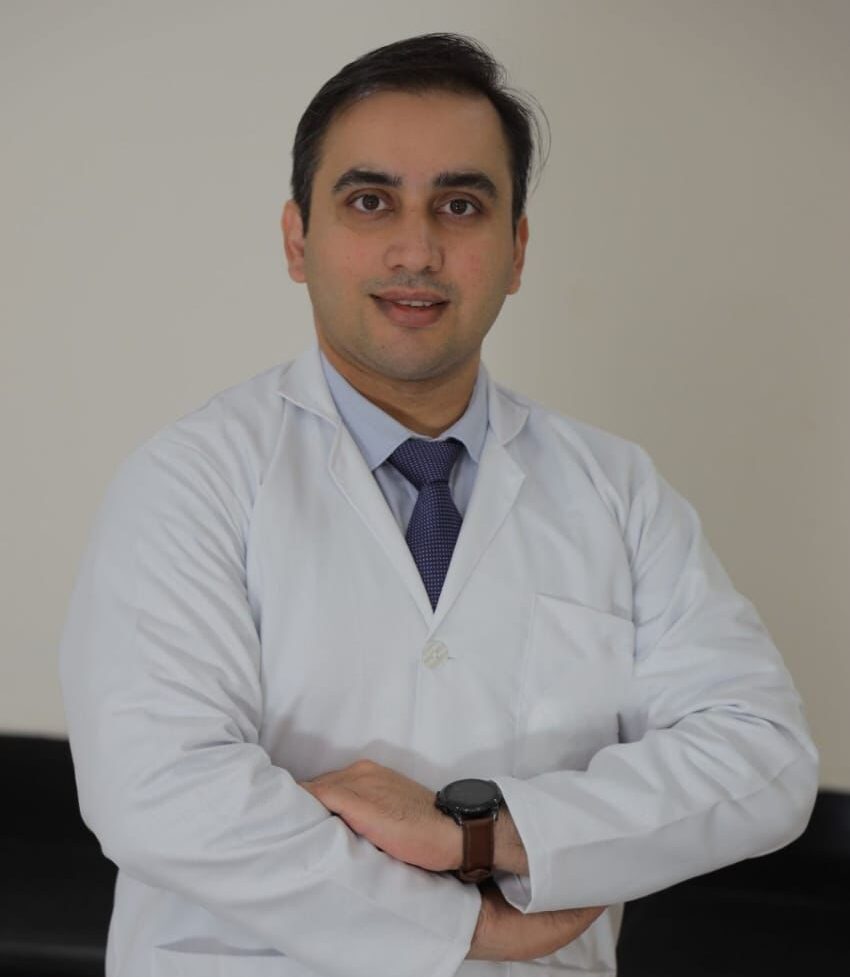
Dr. Saurabh Chopra is an experienced cardiologist with 14+ years of experience in clinical, preventive and interventional cardiology. His practice focuses on comprehensive heart care, including coronary interventions, arrhythmia management, hypertension, heart-risk assessment, pacemaker management and cardiac evaluation. He also works with leading hospitals in Gurgaon, including Fortis Manesar, FMRI and CK Birla Hospital. For patients looking for a Chest Pain Doctor in Gurgaon, his experience in evaluating different cardiac conditions can help patients understand the possible cause of their symptoms and appropriate next steps.

What Can Cause Chest Pain?

Chest pain does not always mean there is a heart problem. It can occur because of several conditions involving the heart, lungs, digestive system, muscles or nerves. However, pain or pressure in the chest should not be ignored, particularly when it is new, severe, recurrent or associated with other symptoms.

A Chest Pain Doctor in Gurgaon can assess the nature of the discomfort along with medical history and cardiovascular risk factors. Symptoms such as pressure, tightness, heaviness or discomfort that occurs during physical activity may require cardiac evaluation.

When Can Chest Pain Be Related to the Heart?

Cardiac chest discomfort can have different presentations. Some people may experience pressure or squeezing in the centre of the chest, while others may notice discomfort spreading towards the arm, shoulder, neck, jaw or back. Breathlessness, sweating, dizziness or unusual fatigue can also occur with certain cardiac conditions.

Risk factors such as high blood pressure, diabetes, high cholesterol, smoking, obesity, sedentary lifestyle and family history can increase cardiovascular risk.

If you are searching for a Chest Pain Doctor in Gurgaon, it is important to remember that symptoms alone cannot confirm the cause. Proper clinical evaluation and appropriate investigations are needed.

Dr. Saurabh Chopra’s Approach to Chest Pain Evaluation

Dr. Chopra’s clinical practice includes diagnostic evaluation, preventive cardiology and interventional cardiac care. His clinic provides access to investigations such as ECG, echocardiography, stress testing and Holter monitoring, depending on the patient’s symptoms and clinical requirements.

The evaluation of chest pain generally begins with understanding when the pain started, what it feels like, whether it occurs during activity or rest, how long it lasts and whether it is accompanied by other symptoms. Previous medical history, medications and cardiovascular risk factors are also important.

For patients consulting a Chest Pain Doctor in Gurgaon, this detailed approach can help distinguish symptoms that may require further cardiac investigation from those that may have another cause.

Tests That May Be Recommended

There is no single test suitable for everyone with chest discomfort. Depending on the clinical assessment, a cardiologist may recommend tests such as:

  • ECG to assess the heart’s electrical activity
  • Echocardiography to evaluate heart structure and function
  • Blood tests when clinically appropriate
  • Stress testing to assess the heart during exertion
  • Holter monitoring for intermittent rhythm abnormalities
  • Coronary imaging or angiography when indicated

The choice of investigation depends on symptoms, risk factors and clinical findings rather than simply the presence of chest pain.

Why Timely Cardiac Evaluation Matters

Recurring chest discomfort should not be self-diagnosed or treated casually. Early assessment can help identify cardiovascular risk factors and determine whether further testing or treatment is necessary.

A Chest Pain Doctor in Gurgaon may also help patients with long-term risk management when chest symptoms are associated with conditions such as hypertension, diabetes, high cholesterol or established coronary artery disease.

Dr. Chopra’s practice also emphasises preventive heart care and ongoing monitoring, which can be important for patients with cardiovascular risk factors.

When Is Chest Pain an Emergency?

Sudden or severe chest pain, particularly when accompanied by difficulty breathing, cold sweating, fainting, significant weakness, or pain spreading to the arm, shoulder, jaw or back, may indicate a medical emergency.

In such situations, do not wait for a routine cardiology appointment. Seek emergency medical care immediately.

Frequently Asked Questions

1. When should I see a Chest Pain Doctor in Gurgaon?

You should seek medical evaluation for new, persistent, recurrent or unexplained chest discomfort, especially if you have cardiovascular risk factors or associated symptoms.

2. Does every chest pain mean heart disease?

No. Chest pain can have cardiac as well as non-cardiac causes. A proper medical evaluation is necessary to identify the likely cause.

3. What tests can help evaluate chest pain?

Depending on the symptoms, a cardiologist may consider ECG, echocardiography, blood tests, stress testing, Holter monitoring or coronary imaging.

4. Can acidity cause chest pain?

Digestive conditions such as acid reflux can cause chest discomfort, but it is not always safe to assume that chest pain is due to acidity. New or concerning symptoms should be medically assessed.

5. What should I bring to a cardiac consultation?

Bring previous ECGs, blood-test reports, echocardiography or other cardiac reports, medication details and information about previous medical conditions.

Conclusion

Chest pain deserves appropriate attention because its causes can range from relatively minor conditions to potentially serious cardiovascular problems. With more than 14 years of experience across clinical, preventive and interventional cardiology, Dr. Saurabh Chopra provides comprehensive cardiac evaluation and treatment tailored to individual patient needs.

For anyone searching for a Chest Pain Doctor in Gurgaon, a timely consultation can help clarify symptoms, assess cardiovascular risk and determine whether further cardiac testing or treatment is appropriate.

Cardiologist in Sector 51 Gurgaon: Personalised Care for Better Heart Health

Dr. Saurabh Chopra is an experienced cardiologist with more than 14 years of experience in clinical, preventive and interventional cardiology. His clinical focus includes coronary interventions, heart-risk assessment, hypertension management, arrhythmia care, pacemaker management and comprehensive cardiac treatment. His practice is based in Sector 49, Gurugram, making it accessible for patients from nearby areas including Sector 51. For people searching for a Cardiologist in Sector 51 Gurgaon, specialist evaluation can help identify heart-related concerns early and guide appropriate treatment.

Why Regular Cardiac Evaluation Matters

Heart problems do not always begin with severe chest pain. High blood pressure, elevated cholesterol, diabetes, smoking, obesity, sedentary habits and a family history of cardiovascular disease can increase cardiac risk. Regular evaluation allows these factors to be assessed before they develop into more serious problems.

A Cardiologist in Sector 51 Gurgaon can evaluate symptoms, medical history and risk factors and recommend investigations according to the individual’s needs. Depending on the clinical situation, assessment may involve an ECG, echocardiography, blood tests, stress testing or other cardiac investigations.

Dr. Saurabh Chopra’s Approach to Cardiac Care

Dr. Saurabh Chopra’s practice combines preventive, clinical and interventional cardiology. His website highlights more than 14 years of experience and specialised care for coronary conditions, heart rhythm problems, pacemaker management and valve-related interventions.

For patients consulting a Cardiologist in Sector 51 Gurgaon, understanding the reason behind a recommended test or treatment is important. A patient-centred consultation should explain the diagnosis, available options, expected benefits and potential risks in understandable language.

Conditions That May Need a Cardiologist’s Evaluation

A cardiology consultation may be useful for symptoms or conditions such as:

  • Chest discomfort or pressure
  • Breathlessness during activity
  • Palpitations or irregular heartbeat
  • High blood pressure
  • High cholesterol
  • Recurrent dizziness or unexplained fatigue
  • Heart failure symptoms
  • Previous heart attack or coronary artery disease
  • Family history of cardiovascular disease

Dr. Chopra’s listed services include clinical and preventive cardiology, heart-failure management, pacemaker and device management, and other cardiac services.

Preventive Cardiology for Long-Term Heart Health

Preventive cardiology is not limited to people who already have heart disease. It can also help people understand their cardiovascular risk and make informed changes related to blood pressure, cholesterol, weight, physical activity, diet and other lifestyle factors.

For someone looking for a Cardiologist in Sector 51 Gurgaon, preventive assessment may be particularly relevant when there are multiple risk factors or a family history of heart disease.

When Should You Seek Cardiac Advice?

Do not ignore persistent chest discomfort, unexplained breathlessness, fainting, significant palpitations or unusual symptoms during physical activity. These symptoms can have different causes, so proper medical evaluation is important rather than self-diagnosis.

If symptoms are sudden, severe or suggest a possible heart attack, emergency medical care should be sought immediately rather than waiting for a routine appointment.

Patients visiting a Cardiologist in Sector 51 Gurgaon can bring previous ECGs, echocardiography reports, blood-test results, prescriptions and details of previous cardiac treatment. This gives the doctor a clearer picture of the patient’s medical history.

Frequently Asked Questions

1. When should I visit a Cardiologist in Sector 51 Gurgaon?

Consider a cardiology consultation for persistent chest discomfort, breathlessness, palpitations, high blood pressure, high cholesterol, unexplained dizziness or an increased risk of heart disease.

2. Can a cardiologist help with high blood pressure?

Yes. Blood pressure assessment and management are part of clinical and preventive cardiology. Treatment depends on the patient’s overall health and cardiovascular risk.

3. What does preventive cardiology involve?

It focuses on identifying cardiovascular risk factors and developing an appropriate plan involving medical evaluation, lifestyle changes and treatment when required.

4. What should I bring to my cardiac consultation?

Previous ECGs, echo reports, blood investigations, medication lists and details of earlier cardiac procedures can help the doctor understand your history.

5. Does every patient with heart disease need angioplasty?

No. Treatment depends on the underlying condition, severity, test results and overall clinical assessment. Angioplasty is appropriate only for selected patients.

Conclusion

Choosing appropriate cardiac care involves more than simply searching for a nearby clinic. Specialist training, clinical experience, appropriate diagnostic evaluation and clear communication all matter. Dr. Saurabh Chopra brings more than 14 years of experience across clinical, preventive and interventional cardiology, with services covering coronary care, rhythm disorders, pacemaker management, heart failure and cardiovascular risk assessment.

For patients seeking a Cardiologist in Sector 51 Gurgaon, a personalised consultation can help clarify symptoms, cardiovascular risk and suitable next steps based on individual medical needs.

Heart Blockage Doctor In Gurgaon: Symptoms, Diagnosis and Treatment

Heart Blockage Doctor in Gurgaon

Introduction

When you or a loved one experience unusual chest discomfort or receive concerning news about your cardiovascular health, finding the right Heart Blockage Doctor in Gurgaon is often the first step toward peace of mind. Navigating heart health can feel overwhelming, but understanding how coronary arteries function, recognizing early warning signs, and knowing when to seek professional medical evaluation can make a significant difference. Modern cardiology offers advanced diagnostic and therapeutic solutions designed to manage coronary artery disease effectively, helping patients maintain a good quality of life.

What Is Heart Blockage?

Heart blockage, medically referred to as coronary artery disease or coronary atherosclerosis, occurs when plaque builds up inside the coronary arteries that supply blood to the heart muscle. Over time, deposits made of cholesterol, calcium, and other cellular waste products narrow these vital blood vessels.

When an artery becomes significantly narrowed or blocked, the flow of oxygen-rich blood to the heart muscle is restricted. This restriction can place extra stress on the heart during physical exertion or stress, leading to common symptoms like chest discomfort. In severe cases, a plaque rupture can completely block blood flow, resulting in a heart attack. Understanding this underlying process helps clarify why proactive cardiac evaluation is so important for long-term health

 For a comprehensive overview of how coronary conditions develop, you can refer to the American Heart Association guidelines.

What Are the Symptoms of Heart Blockage?

Heart blockage symptoms can vary widely from person to person, depending on the severity of the narrowing and which artery is affected. While some individuals experience classic warning signs, others may have subtle symptoms or even silent blockages with no noticeable indicators at all.

Common symptoms of coronary artery disease include:

  • Chest discomfort or pressure: Often described as a heavy feeling, tightness, squeezing, or burning in the center or left side of the chest.

  • Breathlessness: Feeling short of breath during routine activities or light exertion that you could previously handle easily.

  • Radiating pain: Discomfort that spreads from the chest to one or both arms, shoulders, back, neck, or jaw.

  • Unusual fatigue: Persistent, unexplained tiredness that interferes with daily tasks.

  • Dizziness or lightheadedness: Sudden feelings of faintness or unsteadiness.

  • Sweating: Breaking out in a cold sweat without a clear cause.

If you notice persistent or recurring symptoms, consulting a qualified Heart Disease Doctor in Gurgaon ensures that your condition is thoroughly evaluated through proper diagnostic testing rather than left to guesswork.To get in touch for an expert opinion, you can visit our Consultation & Appointment Booking page.

When Should You See a Heart Blockage Specialist in Gurgaon?

You should consider scheduling a cardiology consultation if you experience recurring chest symptoms, unexplained shortness of breath, or if you have specific risk factors for cardiovascular disease.

Key risk factors that increase the likelihood of developing coronary artery blockages include:

  • Diabetes: Elevated blood sugar levels can damage blood vessels over time.

  • High Blood Pressure: Puts excess strain on the heart muscle and arterial walls.

  • High Cholesterol: Contributes directly to plaque accumulation within arteries.

  • Smoking: Damages blood vessel linings and accelerates plaque buildup.

  • Obesity and Sedentary Lifestyle: Increases cardiovascular strain and metabolic stress.

  • Family History: A genetic predisposition to early heart disease.

  • Previous Cardiovascular Events: A history of heart-related issues requiring ongoing monitoring.

Having one or more of these risk factors does not mean you automatically have a blocked artery, but it does mean proactive cardiovascular monitoring is a smart step toward safeguarding your health.

How Is Heart Blockage Diagnosed?

Diagnosing coronary artery disease involves a systematic clinical evaluation combined with appropriate diagnostic tests. A thorough assessment helps determine the exact location, severity, and impact of any blockage on heart function.

Commonly used diagnostic methods include:

  • Medical History and Physical Examination: Reviewing your symptoms, lifestyle habits, family history, and listening to your heart and lungs.

  • Electrocardiogram (ECG): Recording the electrical activity of the heart to detect irregular rhythms or signs of past damage.

  • Echocardiogram: Using ultrasound waves to visualize heart muscle movement, valve function, and overall pumping efficiency.

  • Blood Tests: Checking cholesterol levels, blood sugar, cardiac enzymes, and other biomarkers.

  • Stress Testing: Monitoring how your heart performs under physical stress using a treadmill or stationary bike, sometimes combined with imaging.

  • CT Coronary Angiography: A non-invasive imaging scan that uses advanced CT technology to visualize plaque buildup inside the coronary arteries.

  • Coronary Angiography: An invasive procedure utilizing specialized contrast dye and X-ray imaging to precisely map arterial blockages when clinical findings indicate it is necessary.

The choice of test depends entirely on your specific symptoms, risk profile, and clinical evaluation by a trusted Heart Blockage Specialist in Gurgaon. Learn more about our specialized diagnostic services on our Cardiology Services page.

What Is the Treatment for a Blocked Artery?

Treatment for coronary artery disease is never one-size-fits-all; it depends heavily on the severity of the blockage, the patient’s symptoms, overall health, and clinical goals.

Appropriate treatment strategies generally include:

  • Lifestyle Modifications: Adopting a heart-healthy diet low in saturated fats, quitting smoking, exercising regularly, and managing weight.

  • Medical Therapy: Prescribing medications such as statins to lower cholesterol, blood pressure medications, antiplatelet drugs to prevent blood clots, and medications to relieve chest pain.

  • Risk-Factor Management: Actively controlling underlying conditions like diabetes and hypertension.

  • Angioplasty and Stenting (PCI): A minimally invasive procedure where a tiny balloon is used to open a narrowed artery, often followed by placing a mesh tube (stent) to keep the vessel open.

  • Coronary Artery Bypass Grafting (CABG): A surgical procedure recommended for complex or multi-vessel blockages, where healthy blood vessels from another part of the body are used to reroute blood around the blocked area.

It is important to understand that not every blockage requires angioplasty or surgery; many mild to moderate blockages are managed successfully through targeted medications and lifestyle changes alone.

How to Choose a Heart Doctor in Gurgaon for Suspected Heart Blockage?

Choosing the right medical professional is an important personal decision that requires looking at several practical factors. When seeking specialized care for your cardiovascular health, consider the following criteria:

  • Relevant Qualifications: Ensure the practitioner holds specialized cardiology degrees and certifications.

  • Clinical Experience: Look for expertise in diagnosing and managing coronary artery disease.

  • Comprehensive Evaluation Approach: A good specialist takes time to evaluate your full symptom history and risk factors rather than rushing to conclusions.

  • Diagnostic Infrastructure: Access to advanced diagnostic tools and imaging facilities.

  • Procedural Expertise: Experience with interventional procedures if treatment beyond medication becomes necessary.

  • Clear Communication: A physician who explains complex medical concepts in simple, patient-friendly terms and answers your questions patiently.

  • Continuously Supportive Follow-Up Care: Ongoing monitoring and guidance for long-term heart health.

Finding an experienced Heart Doctor in Gurgaon who prioritizes open communication and personalized care helps ensure you feel confident and supported at every stage of your health journey

Why Timely Evaluation of Heart Symptoms Matters

Ignoring persistent or worsening cardiac symptoms can allow underlying conditions to progress without necessary intervention. Early detection of coronary artery disease allows for prompt lifestyle adjustments, timely medical management, and reduced risk of unexpected cardiac events.

Heart Blockage Care in Gurgaon

Accessing quality healthcare in a rapidly growing metropolitan hub like Gurugram involves finding medical facilities equipped with modern infrastructure and experienced cardiovascular teams. Whether you require routine risk screening, diagnostic testing, or comprehensive Blocked Artery Treatment in Gurgaon, local healthcare providers offer a wide range of services tailored to modern patient needs. Consulting a knowledgeable specialist ensures that your care plan is evidence-based, individualized, and focused on long-term wellness. You can explore more about our practice approach on our About Dr. Saurabh Chopra page.

Frequently Asked Questions

1. What are the common signs of heart blockage?

Common signs include chest discomfort or tightness, shortness of breath during exertion, pain radiating to the jaw, neck, or left arm, unexplained fatigue, and lightheadedness. However, symptoms vary greatly between individuals, and some people may experience no obvious warning signs at all.

2. Which doctor should I consult for suspected heart blockage?

You should consult a qualified cardiologist or a dedicated Heart Blockage Doctor in Gurgaon who specializes in diagnosing and managing coronary artery disease through clinical evaluation, appropriate testing, and personalized treatment planning.

3. Can heart blockage be treated without angioplasty?

Yes. Mild to moderate blockages and stable coronary artery disease are frequently managed and treated effectively through targeted medications, rigorous risk-factor control, and healthy lifestyle changes without requiring invasive procedures like angioplasty.

4. Which tests can detect coronary artery blockage?

Doctors can detect coronary blockages using non-invasive tests such as ECGs, echocardiograms, stress tests, and CT coronary angiographies, as well as invasive diagnostic procedures like conventional coronary angiography when clinically indicated.

5. Is every heart blockage dangerous?

No. Not every plaque buildup or blockage is immediately dangerous. The risk level depends on the percentage of narrowing, how much blood flow is restricted, whether the plaque is stable, and the patient’s overall clinical symptoms and heart function.

6. When is heart blockage an emergency?

Heart blockage becomes a medical emergency when it leads to acute coronary syndrome or a heart attack, signaled by sudden, severe chest pain, crushing pressure, acute breathlessness, fainting, or radiating pain. Immediate emergency care is required in these situations.

nvolves finding medical facilities equipped with modern infrastructure and experienced cardiovascular teams. Whether you require routine risk screening, diagnostic testing, or comprehensive Blocked Artery Treatment in Gurgaon, local healthcare providers offer a wide range of services tailored to modern patient needs. Consulting a knowledgeable specialist ensures that your care plan is evidence-based, individualized, and focused on long-term wellness.

Best Cardiologist in Manesar: Complete Guide to Choosing the Right Heart Specialist

Best Cardiologist in Manesar

Introduction

Heart health is not something most people think about until symptoms show up or a routine check-up flags a concern. Whether it’s an occasional flutter in your chest, breathlessness while climbing stairs, or a family history of heart disease, knowing when and how to consult a cardiologist can make a real difference to your long-term wellbeing. If you’re searching for the best cardiologist in Manesar, this guide walks you through everything you need to know before booking that first appointment.

Manesar and the surrounding IMT Manesar industrial belt have grown rapidly over the past decade, bringing in a large working population that often deals with long commutes, sedentary desk jobs, and high-stress schedules — all recognized contributors to cardiovascular risk. Having access to a qualified heart specialist close to home or work is no longer a convenience; it’s a necessity

When Should You See a Cardiologist in Manesar?

You should consult a cardiologist if you experience chest discomfort, unexplained breathlessness, palpitations, fainting spells, or if you have risk factors such as diabetes, high blood pressure, high cholesterol, obesity, or a family history of heart disease.

Many people delay seeing a heart specialist because early symptoms feel mild or intermittent. However, a cardiologist doesn’t just step in during emergencies — they also play a preventive role. If you’re over 40, have a sedentary lifestyle, smoke, or have close relatives who suffered a heart attack at a young age, a proactive consultation with a cardiologist in Manesar can help identify risks before they become serious problems.

Other common reasons to seek an evaluation include unusual fatigue during routine activity, swelling in the legs or ankles, and irregular heartbeats noticed on a smartwatch or fitness tracker.

What Does a Cardiologist Treat?

A cardiologist diagnoses, treats, and manages conditions affecting the heart and blood vessels. This includes everything from high blood pressure and cholesterol management to complex conditions like heart failure and arrhythmias.

Broadly, a heart specialist’s role covers:

  • Diagnosing the cause of chest pain, breathlessness, or palpitations
  • Managing chronic conditions such as hypertension and diabetes-related heart risk
  • Treating coronary artery disease and its complications
  • Monitoring and managing heart rhythm disorders
  • Guiding patients through pre- and post-procedure cardiac care
  • Advising on lifestyle changes to reduce cardiovascular risk

How to Choose the Best Cardiologist in Manesar?

Choosing the right heart doctor involves looking beyond convenience and considering a few practical factors that affect the quality of your care.

Qualification and experience: Check the cardiologist’s medical training, specialization, and years of clinical experience in treating cardiac conditions relevant to your concern.

Relevant area of cardiology: Some cardiologists focus more on interventional procedures, while others specialize in preventive cardiology or heart rhythm disorders. Matching the specialist’s focus to your specific need matters.

Diagnostic facilities: A good cardiology practice should have access to essential diagnostic tools like ECG, echocardiography, and stress testing, either in-house or through a connected hospital.

Treatment approach: Look for a doctor who explains your condition clearly, discusses all viable options, and doesn’t rush you into decisions without adequate explanation.

Hospital or clinical support: Cardiac care sometimes requires access to a well-equipped hospital for advanced procedures. Check what backup facilities the cardiologist is affiliated with.

Patient communication: A best heart doctor in Manesar should take time to answer your questions in simple language rather than overwhelming you with medical jargon.

Follow-up care: Heart conditions are often long-term, so consistent follow-up and monitoring matter as much as the initial diagnosis.

Common Heart Problems Treated by a Cardiologist

A heart specialist in Manesar typically manages a wide range of cardiovascular conditions, including:

  • Coronary artery disease — narrowing of the arteries supplying blood to the heart muscle
  • High blood pressure (hypertension) — a major risk factor for heart attack and stroke if left uncontrolled
  • Heart failure — a condition where the heart is unable to pump blood efficiently
  • Arrhythmias — irregular heart rhythms that may cause palpitations, dizziness, or fatigue
  • Heart valve problems — issues with the valves that regulate blood flow through the heart
  • Cardiomyopathy — diseases affecting the heart muscle itself

Each of these conditions can present differently, which is why a proper clinical evaluation is essential rather than relying on assumptions based on symptoms alone.

Tests a Cardiologist May Recommend

Depending on your symptoms and risk profile, a cardiologist may recommend one or more diagnostic tests to understand your heart health better. Not every patient requires every test — the choice depends on individual history and clinical findings.

Commonly used tests include:

  • ECG (Electrocardiogram): Records the electrical activity of the heart to detect rhythm abnormalities
  • Echocardiography: An ultrasound-based test that evaluates heart structure and pumping function
  • Blood tests: Check cholesterol levels, blood sugar, and cardiac markers when relevant
  • Holter monitoring: Tracks heart rhythm continuously over 24–48 hours to catch intermittent irregularities
  • Stress testing: Assesses how the heart performs under physical exertion
  • Angiography: Used when clinically indicated to visualize blockages in the coronary arteries

Your cardiologist will decide which tests are appropriate based on your symptoms, medical history, and examination findings.

Why Timely Cardiac Evaluation Matters

Heart conditions often develop gradually, and early-stage symptoms can be subtle or easy to dismiss. Getting evaluated in time allows for better management options, whether through lifestyle changes, medication, or procedures like angioplasty when necessary.

Delaying a cardiac evaluation doesn’t make risk factors disappear — it simply reduces the range of options available later. Regular check-ups, especially for those with hypertension, diabetes, or a family history of heart disease, help catch problems while they are still manageable.

Cardiac Care in Manesar and IMT Manesar

With Manesar and IMT Manesar home to a growing residential and working population, the need for accessible, quality cardiac care has increased significantly. Long working hours, shift-based jobs, and lifestyle-related risk factors common among the industrial workforce make routine heart check-ups particularly relevant here.

Having a cardiologist in Manesar means shorter travel times for both routine consultations and follow-up visits, which is especially valuable for patients managing chronic heart conditions that require ongoing monitoring. For residents and professionals in and around Gurugram/Gurgaon’s Manesar belt, local access to cardiac diagnostics and consultation can make consistent heart care far more practical

Frequently Asked Questions

1. When should I see a cardiologist in Manesar?
See a cardiologist if you experience chest pain, breathlessness, palpitations, fainting, or have risk factors like hypertension, diabetes, or a family history of heart disease.

2. What does a cardiologist treat?
A cardiologist treats conditions affecting the heart and blood vessels, including coronary artery disease, hypertension, arrhythmias, heart failure, and valve disorders.

3. What tests can a cardiologist recommend?
Common tests include ECG, echocardiography, blood tests, Holter monitoring, stress testing, and angiography, depending on individual clinical needs.

4. How do I choose a heart specialist in Manesar?
Consider their qualifications, area of specialization, access to diagnostic facilities, communication style, and availability for consistent follow-up care.

5. When does chest pain require urgent medical attention?
Chest pain accompanied by breathlessness, sweating, radiating pain to the arm or jaw, or dizziness requires immediate emergency medical attention

Conclusion

Finding the right cardiologist is about matching your specific needs with a specialist’s experience, approach, and accessibility. Whether you’re dealing with a specific symptom or simply want a preventive check-up, timely evaluation by a qualified heart specialist in Manesar can help you stay ahead of potential heart health issues. If you have ongoing concerns or risk factors, don’t wait for symptoms to worsen — a proper cardiac evaluation is the first step toward informed, long-term heart care.

Best Cardiologist Near Cyber City Gurugram: Complete Guide to Expert Heart Care

If you work in Cyber City or live nearby and you have been searching for the best cardiologist near Cyber City Gurugram, you are not alone. With long working hours, high stress levels, and sedentary desk jobs, heart problems among young professionals in Gurugram have increased sharply over the last few years. Finding the right heart specialist close to your workplace can make a real difference, both in terms of convenience and timely treatment.
In this guide, we will walk you through why heart health matters so much for the Cyber City workforce, what to look for when choosing the best cardiologist near Cyber City Gurugram, and how to get the right care without disrupting your busy schedule.

Why Cyber City Professionals Need a Trusted Cardiologist

Cyber City is home to thousands of IT and corporate employees who spend most of their day sitting in front of screens, skipping meals, and dealing with constant deadlines. This lifestyle, combined with irregular sleep and high caffeine intake, puts a lot of strain on the heart. That is exactly why so many people are actively looking for the best cardiologist near Cyber City Gurugram rather than travelling far for a routine checkup or an emergency consultation.
A good cardiologist located close to your office means you can get a heart checkup during your lunch break, address chest discomfort quickly, or manage an ongoing condition without taking a full day off work.

Common Heart Issues Seen in Corporate Employees

Some of the most frequent heart-related concerns among Cyber City professionals include:
.High blood pressure due to work stress
.Elevated cholesterol from unhealthy eating habits
Chest pain or discomfort triggered by anxiety and long sitting hours
.Irregular heartbeat linked to excessive caffeine or poor sleep
.Early signs of coronary artery disease in people under 40
These issues often go unnoticed until they become serious, which is why regular consultation with the best cardiologist near Cyber City Gurugram is so important, even if you feel perfectly fine right now.

What to Look for When Choosing a Cardiologist Near Cyber City

Not every heart specialist is the right fit for a busy corporate lifestyle. When you search for the best cardiologist near Cyber City Gurugram, keep these factors in mind.

Experience and Qualifications

Always check the doctor’s educational background, years of clinical practice, and area of specialization. An interventional cardiologist with training in both clinical and preventive cardiology is usually better equipped to handle a wide range of cases, from routine checkups to complex procedures.

Location and Accessibility

Since time is limited for working professionals, proximity matters. The best cardiologist near Cyber City Gurugram should ideally be reachable within a short drive, with flexible appointment slots that fit around office hours, including early morning or evening slots.
Range of Services Offered
A well-rounded cardiac clinic should offer:
.ECG and 2D Echocardiography
.Blood pressure and cholesterol management
.Stress test and cardiac risk assessment
.Angiography and angioplasty, if required
.Preventive cardiology consultations for early detection

Patient Communication

A good heart specialist takes time to explain your reports in simple language, rather than rushing through the consultation. This is especially valuable for first-time patients who may feel anxious about heart-related symptoms.

Services Offered by a Leading Heart Specialist in Gurugram

When people look for the best cardiologist near Cyber City Gurugram, they are usually dealing with one of two situations: a sudden symptom that needs urgent attention, or a long-term condition that needs ongoing management. A comprehensive cardiac practice should be able to support both.

Preventive Heart Checkups

Regular screening helps catch problems early, before they turn into emergencies. This includes lipid profile testing, blood pressure monitoring, ECG, and lifestyle risk assessment tailored to desk-based professionals, which is exactly what makes the best cardiologist near Cyber City Gurugram worth visiting even when you feel healthy.

Management of Chronic Conditions

For patients already dealing with hypertension, diabetes, or cardiomyopathy, consistent follow-up with the best cardiologist near Cyber City Gurugram ensures better long-term outcomes and fewer complications.

Emergency and Interventional Care

In case of chest pain, breathlessness, or suspected heart attack, quick access to the best cardiologist near Cyber City Gurugram who is trained in interventional procedures like angioplasty can be lifesaving. This is one more reason why proximity to Cyber City matters so much when choosing your heart doctor.

Why Dr. Saurabh Chopra Is a Trusted Choice for Cyber City Residents

For anyone searching for the best cardiologist near Cyber City Gurugram, Dr. Saurabh Chopra offers a combination of strong clinical experience and a patient-first approach. As an interventional cardiologist practicing in Gurugram, he specializes in coronary artery disease, heart failure management, hypertension, arrhythmia, and preventive cardiology, along with advanced cardiac interventions when needed.
What sets a practice like his apart is the focus on clear communication, timely diagnosis, and treatment plans that fit into a patient’s actual lifestyle, rather than generic advice. For corporate employees working in and around Cyber City, this kind of accessible, experienced care close to home or office is exactly what makes a real difference.

How to Book an Appointment

Booking a consultation with the best cardiologist near Cyber City Gurugram is usually simple. Most clinics offer phone booking, online appointment forms, and walk-in slots for urgent concerns. It is a good idea to carry any previous test reports, a list of current medications, and a brief note of your symptoms to make the consultation more productive.

Conclusion

Heart health should never be an afterthought, especially for professionals living the fast-paced Cyber City lifestyle. Whether you need a routine checkup, help managing an existing condition, or urgent care for chest pain, finding the best cardiologist near Cyber City Gurugram close to your workplace can save both time and stress during a health concern. Dr. Saurabh Chopra brings the right blend of experience, technical skill, and patient-focused care that Cyber City professionals can rely on for both preventive and advanced cardiac treatment.

FAQs

1. How do I know if I need to see a cardiologist?
If you experience chest discomfort, unexplained fatigue, palpitations, breathlessness, or have a family history of heart disease, it is wise to consult a cardiologist rather than waiting for symptoms to worsen.

2. What tests are usually done during a first heart checkup?
A first visit typically includes blood pressure measurement, ECG, cholesterol testing, and sometimes a 2D echocardiogram, depending on your symptoms and risk factors.

3. Is it necessary to fast before a heart checkup?
For lipid profile and certain blood tests, fasting for 8 to 10 hours is usually recommended. Your clinic will guide you on this before your appointment.

4. Can work stress really affect heart health?
Yes. Chronic stress raises blood pressure and cortisol levels, both of which contribute to long-term cardiovascular risk, making regular monitoring important for corporate employees.

5. How often should Cyber City professionals get a heart checkup? For those under 40 with no major risk factors, an annual checkup is generally sufficient. Anyone with high blood pressure, diabetes, or a family history of heart disease should consult their cardiologist for a more frequent schedule.

Best Cardio Doctor in Gurgaon: Expert Heart Care for a Healthy Life

Heart disease is one of the leading health concerns today, affecting people of all ages. Factors such as stress, poor dietary habits, lack of exercise, obesity, diabetes, and high blood pressure significantly increase the risk of cardiovascular diseases. Seeking timely care from the Best Cardio Doctor in Gurgaon can help detect heart problems early and improve long-term health outcomes. Whether you are experiencing symptoms like chest pain, shortness of breath, palpitations, or simply want a preventive health checkup, consulting an experienced Cardiologist in Gurgaon is essential. Early diagnosis and proper treatment can help prevent severe complications and ensure a healthier future.

Why Heart Health Matters

The heart is responsible for pumping oxygen-rich blood throughout the body. Any disruption in its functioning can impact multiple organs and overall well-being. Unfortunately, many heart conditions develop silently without noticeable symptoms.
Regular checkups with the Best Cardio Doctor in Gurgaon can help identify risk factors and prevent serious cardiac events. Maintaining good heart health is not only about treating diseases but also about adopting preventive measures that reduce future risks.

Common Risk Factors for Heart Disease

Understanding risk factors is the first step toward prevention

High Blood Pressure

Hypertension places excessive strain on blood vessels and increases the risk of heart attacks and strokes. A qualified Heart Specialist in Gurgaon can help manage blood pressure effectively

High Cholesterol

Excess cholesterol can lead to plaque buildup in arteries, restricting blood flow to the heart

Diabetes

Diabetes significantly increases the likelihood of developing cardiovascular disease and requires careful monitoring

Smoking and Tobacco Use

Smoking damages blood vessels and reduces oxygen supply, making it a major contributor to heart disease. 

Obesity and Physical Inactivity

A sedentary lifestyle can increase the risk of hypertension, diabetes, and other cardiovascular conditions.
Regular visits to the Best Cardio Doctor in Gurgaon can help monitor these risk factors and provide guidance on maintaining optimal heart health

Signs You Should See a Cardiologist

Many people ignore symptoms until they become severe. Consulting a Heart Doctor in Gurgaon at the right time can prevent complications.

Chest Pain

Chest discomfort, pressure, or pain may indicate reduced blood flow to the heart and should never be ignored.

Shortness of Breath

Difficulty breathing during routine activities may signal an underlying heart condition

Irregular Heartbeat

Frequent palpitations or abnormal heart rhythms require evaluation by an experienced Cardiologist in Gurgaon

Fatigue and Dizziness

Persistent fatigue, weakness, or dizziness may be related to poor heart function

Swelling in Legs and Feet

Fluid retention can sometimes indicate heart failure or circulatory problems.If you experience any of these symptoms, schedule a consultation with the Best Cardio Doctor in Gurgaon without delay.

Benefits of Consulting the Best Cardio Doctor in Gurgaon

Accurate Diagnosis

Modern cardiac care involves advanced diagnostic tests that help identify heart conditions at an early stage

Personalized Treatment Plans

Every patient has unique medical needs. The Best Cardio Doctor in Gurgaon develops customized treatment strategies based on individual health conditions

Preventive Cardiology

Preventive cardiology focuses on reducing risk factors before they lead to major heart problems. This includes lifestyle modifications, medication management, and regular monitoring

Advanced Cardiac Care

From routine heart checkups to complex procedures, expert Cardiac Care in Gurgaon ensures patients receive comprehensive treatment under one roof

Common Heart Conditions Treated by Cardiologists

Coronary Artery Disease

One of the most common cardiovascular conditions, coronary artery disease occurs when arteries become narrowed due to plaque buildup

Heart Failure

Heart failure develops when the heart cannot pump blood efficiently. Early intervention improves quality of life and reduces complications.

Arrhythmias

Irregular heartbeats can range from harmless to life-threatening and often require specialized treatment

Valvular Heart Disease

Heart valve disorders can affect blood flow and may require medical or surgical intervention.

Hypertension

Proper blood pressure management is a critical component of effective Heart Disease Treatment in Gurgaon.
An experienced Heart Specialist in Gurgaon can diagnose and manage these conditions effectively.

Advanced Cardiac Treatments Available

Modern cardiology offers innovative solutions for diagnosing and treating heart diseases.

ECG and Echocardiography

These tests help evaluate heart rhythm and overall cardiac function

Stress Testing

Stress tests assess how the heart performs during physical activity

Angiography

This procedure identifies blockages in coronary arteries and helps guide treatment decisions.

Angioplasty and Stenting

Minimally invasive procedures that restore blood flow to blocked arteries.

Pacemaker Implantation

Pacemakers help regulate abnormal heart rhythms and improve quality of life.
The Best Cardio Doctor in Gurgaon uses advanced technologies to provide safe and effective treatment options

The Importance of Preventive Cardiology

Preventive cardiology focuses on reducing the likelihood of future heart disease. It is particularly important for individuals with a family history of cardiovascular problems.
Key preventive measures include:
.Regular health screenings
.Blood pressure monitoring
.Cholesterol management
.Diabetes control
.Healthy nutrition
.Stress reduction
.Weight management
.Regular exercise
An experienced Heart Health Specialist can create a personalized prevention plan based on your risk profile

Tips for Maintaining Good Heart Health

Follow a Balanced Diet

Include fruits, vegetables, whole grains, lean proteins, and healthy fats in your daily meals.

Exercise Regularly

At least 30 minutes of moderate physical activity can significantly improve cardiovascular health.

Avoid Smoking

Quitting smoking is one of the most effective ways to protect your heart.

Manage Stress

Chronic stress contributes to hypertension and other heart-related conditions

Schedule Regular Heart Checkups

 Routine Heart Checkup in Gurgaon services can help identify potential issues before they become serious.
By following these habits and consulting the Best Cardio Doctor in Gurgaon, you can significantly improve your heart health.

Choosing the Right Cardiologist

Selecting the right Cardiologist in Gurgaon requires careful consideration.
Look for:
.Extensive clinical experience
.Expertise in advanced cardiac procedures
.Positive patient reviews
.Modern diagnostic facilities
.Focus on preventive cardiology
.Personalized patient care
A trusted Heart Doctor in Gurgaon will guide you through every stage of diagnosis, treatment, and recovery.

Why Patients Trust Dr. Saurabh Chopra

Dr. Saurabh Chopra is known for providing comprehensive Cardiac Care in Gurgaon with a patient-centered approach. His commitment to accurate diagnosis, evidence-based treatment, and preventive cardiology helps patients achieve better cardiovascular outcomes.
Whether you require routine cardiac consultation, advanced procedures, or long-term heart disease management, Dr. Saurabh Chopra focuses on delivering quality care tailored to each patient’s needs

Conclusion

Your heart deserves expert attention and proactive care. Choosing the Best Cardio Doctor in Gurgaon is an important step toward preventing, diagnosing, and treating heart-related conditions. With advancements in modern cardiology and a strong emphasis on preventive care, patients can enjoy better health and improved quality of life.
If you are experiencing symptoms or wish to prioritize your cardiovascular wellness, consult the Best Cardio Doctor in Gurgaon today. Timely intervention, expert guidance, and comprehensive Heart Disease Treatment in Gurgaon can make all the difference in protecting your heart for years to come.

FAQs

1. When should I consult a cardiologist?
You should consult a cardiologist if you experience chest pain, shortness of breath, irregular heartbeat, high blood pressure, or have a family history of heart disease.

2. How often should I get a heart checkup?
Adults with risk factors should undergo a regular Heart Checkup in Gurgaon as recommended by their doctor.

3. What is preventive cardiology?
Preventive cardiology focuses on reducing risk factors and preventing cardiovascular diseases before they develop.

4. Can heart disease be prevented?
Many heart conditions can be prevented through healthy lifestyle choices, routine screenings, and expert medical guidance.

5. Why choose Dr. Saurabh Chopra for cardiac care?
Dr. Saurabh Chopra offers comprehensive cardiac evaluation, advanced treatment options, and personalized care for patients seeking expert heart health services

Best Cardiologist in Gurgaon: Advanced Heart Care by Dr. Saurabh Chopra

Heart health plays a crucial role in living a long and healthy life. With increasing cases of hypertension, heart attacks, obesity, diabetes, and lifestyle-related heart diseases, finding the Best Cardiologist in Gurgaon has become more important than ever. Early diagnosis, timely treatment, and preventive cardiac care can significantly reduce the risk of serious heart complications.
If you are looking for expert cardiac care, Dr. Saurabh Chopra is a trusted name in the field of cardiology. With extensive experience in diagnosing and treating a wide range of heart conditions, he is dedicated to providing comprehensive and personalized care to every patient.

Heart Failure Doctor in Sector 57 Gurgaon | Dr. Saurabh Chopra

Why Choosing the Best Cardiologist in Gurgaon Matters

Heart diseases often develop silently and may not show symptoms until they become severe. Consulting the Best Cardiologist in Gurgaon ensures that potential heart problems are detected early and treated effectively.
A skilled cardiologist can help manage:
.High blood pressure
.Coronary artery disease
.Heart failure
.Arrhythmias (irregular heartbeat)
.High cholesterol
.Heart valve disorders
.Congenital heart diseases
Timely intervention can prevent complications and improve overall heart health.

Meet Dr. Saurabh Chopra – Leading Heart Specialist in Gurgaon

Dr. Saurabh Chopra is recognized for his expertise in modern cardiac care and advanced interventional cardiology procedures. Patients trust him for accurate diagnosis, evidence-based treatment plans, and compassionate care.As a highly experienced Heart Specialist in Gurgaon, Dr. Chopra focuses on providing personalized treatment strategies tailored to each patient’s specific needs. His patient-centric approach ensures that every individual receives the highest standard of cardiac care.
Whether you require preventive heart screenings or complex cardiac interventions, Dr. Chopra offers comprehensive solutions under one roof.

Common Heart Conditions Treated by Dr. Saurabh Chopra

The Best Cardiologist in Gurgaon treats a wide range of cardiovascular conditions, including:

1. Coronary Artery Disease

Coronary artery disease occurs when the arteries supplying blood to the heart become narrowed or blocked due to plaque buildup. Symptoms may include:
.Chest pain
.Shortness of breath
.Fatigue
.Heart attack
Early diagnosis and treatment are essential to prevent severe complications.

2. High Blood Pressure (Hypertension)

Hypertension is one of the leading causes of heart disease and stroke. Regular monitoring and appropriate treatment can help control blood pressure and reduce cardiovascular risks.

3. Heart Failure

Heart failure occurs when the heart cannot pump blood efficiently. Common symptoms include:
.Swelling in legs
.Fatigue
.Persistent cough
.Breathlessness
Proper management can significantly improve quality of life

4. Arrhythmias

Arrhythmias refer to abnormal heart rhythms that may cause dizziness, palpitations, fainting, or chest discomfort

5. Heart Valve Disorders

Heart valve diseases can affect blood flow through the heart and may require medical management or surgical intervention

Advanced Cardiac Treatments Available

As an experienced Interventional Cardiologist in Gurgaon, Dr. Saurabh Chopra offers advanced cardiac procedures using modern technology and evidence-based techniques

Coronary Angiography

Coronary angiography helps identify blockages in the arteries supplying blood to the heart.

Coronary Angioplasty

Angioplasty is a minimally invasive procedure used to open blocked arteries and restore proper blood flow.
Patients looking for an experienced Angioplasty Specialist in Gurgaon can benefit from expert evaluation and treatment under Dr. Chopra’s care

Pacemaker Implantation

Pacemakers help regulate abnormal heart rhythms and improve heart function.

Heart Failure Management

Comprehensive treatment plans help patients manage symptoms and improve overall cardiac performance

Preventive Cardiology

Preventive care focuses on identifying risk factors before they develop into serious heart diseases.

Signs You Should Visit a Heart Doctor in Gurgaon

Many people ignore early warning signs of heart disease. Consulting a Heart Doctor in Gurgaon becomes essential if you experience any of the following symptoms:

Chest Pain

Persistent or recurring chest pain should never be ignored.

Shortness of Breath

Difficulty breathing during routine activities may indicate an underlying heart condition.

Palpitations

An unusually fast or irregular heartbeat requires medical evaluation.

Dizziness or Fainting

Frequent dizziness can be a sign of cardiovascular issues.

Swelling in Legs and Feet

Fluid retention may indicate heart failure or circulation problems.
Seeking timely medical attention from the Best Cardiologist in Gurgaon can help prevent serious complications.

Why Patients Trust the Best Cardiologist in Gurgaon

Patients choose Dr. Saurabh Chopra for several reasons:

Extensive Experience

Years of expertise in cardiology and interventional procedures

Personalized Treatment Plans

Every patient receives individualized care based on their condition and medical history.

Advanced Technology

Modern diagnostic and treatment techniques ensure accurate results and effective outcomes.

Compassionate Care

Patients receive detailed explanations and support throughout their treatment journey.

Comprehensive Cardiac Care in Gurgaon

From diagnosis to treatment and follow-up care, complete cardiac services are available under one roof.
These qualities make him a preferred choice for patients seeking quality Cardiac Care in Gurgaon.

Lifestyle Tips for a Healthy Heart

While expert medical care is essential, maintaining a healthy lifestyle can significantly reduce the risk of heart disease

Eat a Heart-Healthy Diet

Include:
.Fruits
.Vegetables
.Whole grains
.Lean proteins
.Healthy fats
Limit processed foods, sugar, and excessive salt intake

Exercise Regularly

Aim for at least 30 minutes of moderate physical activity most days of the week.

Quit Smoking

Smoking significantly increases the risk of heart disease and stroke.

Manage Stress

Practice meditation, yoga, or relaxation techniques to reduce stress levels.

Monitor Your Health

Regular screenings help detect risk factors early and prevent future complications

When Should You Schedule a Heart Check-Up?

Regular cardiac evaluations are recommended if you:
.Have diabetes
.Have high blood pressure
.Have high cholesterol
.Smoke regularly
.Have a family history of heart disease
.Are overweight or obese
Consulting the Best Cardiologist in Gurgaon for routine screenings can help identify problems before they become serious

Conclusion

Your heart deserves the best care possible. Whether you are experiencing symptoms, managing an existing heart condition, or seeking preventive care, choosing the Best Cardiologist in Gurgaon can make a significant difference in your health outcomes.
Dr. Saurabh Chopra is committed to providing advanced, compassionate, and patient-focused cardiac care. From preventive screenings and lifestyle counseling to complex interventional procedures, he offers comprehensive solutions designed to help patients lead healthier lives.
If you are looking for expert cardiac treatment, personalized care, and long-term heart health management, schedule a consultation with Dr. Saurabh Chopra today and take the first step toward a healthier heart.

FAQs

Who is considered the Best Cardiologist in Gurgaon?
Dr. Saurabh Chopra is known for his expertise in interventional cardiology, preventive heart care, and advanced cardiac treatments.

When should I consult a cardiologist?
You should consult a cardiologist if you experience chest pain, shortness of breath, palpitations, dizziness, or have risk factors such as diabetes and hypertension.

What does an Interventional Cardiologist in Gurgaon do?
An interventional cardiologist performs minimally invasive procedures such as angiography and angioplasty to diagnose and treat heart conditions.

Is preventive cardiology important?
Yes, preventive cardiology helps identify risk factors early and reduces the likelihood of developing serious cardiovascular diseases.

How often should I get my heart checked?
Individuals with risk factors should undergo regular cardiac evaluations as recommended by their cardiologist.

Coronary Artery Disease Treatment in Gurgaon – Symptoms, Causes & Best Care

Have you ever felt a sudden tightness in your chest while climbing stairs or walking fast? Many people ignore this as “just stress” or “acidity.” But what if it is your heart trying to warn you?Coronary Artery Disease — commonly called CAD or heart blockage — is one of the leading causes of death in India today. The alarming part? It silently builds up over years before showing any symptoms. If you are looking for the best coronary artery disease treatment in Gurgaon, you are in the right place.
In this blog, we will explain what CAD is, what causes it, how to recognize it early, and what treatment options are available right here in Gurgaon

What is Coronary Artery Disease?

Your heart works 24 hours a day, 7 days a week — and it needs a constant supply of oxygen-rich blood to keep pumping. This blood is delivered through a network of blood vessels called coronary arteries.
Coronary Artery Disease happens when these arteries become narrow or blocked due to a buildup of fatty deposits called plaque. Over time, this plaque hardens and reduces blood flow to the heart muscle. When blood flow is severely restricted, it can cause chest pain (angina) or even a full heart attack.
This is why timely coronary artery disease treatment in Gurgaon is absolutely critical

Main Causes of Coronary Artery Disease

CAD does not develop overnight. It builds up silently over years due to several risk factors:

1. High Cholesterol Too much bad cholesterol (LDL) in your blood sticks to artery walls and slowly forms plaque, narrowing the arteries over time.

2. High Blood Pressure Hypertension puts constant pressure on artery walls, damaging them and making it easier for plaque to deposit.

3. Diabetes High blood sugar damages blood vessels and accelerates the formation of plaque inside coronary arteries.

4. Smoking Tobacco chemicals directly damage artery walls, reduce oxygen in blood, and cause dangerous blood clots.

5. Obesity Excess body weight raises cholesterol, BP, and blood sugar — all of which contribute to CAD development.

6. Sedentary Lifestyle Sitting for long hours, no physical activity, and a poor diet are major contributors — especially common in urban Gurgaon lifestyle.

7. Family History If your parent or sibling had CAD before age 55, your personal risk is significantly higher than average.

8. Chronic Stress Long-term stress raises blood pressure and inflammation levels, both of which damage coronary arteries gradually.

Symptoms of Coronary Artery Disease – Do Not Ignore These

The tricky thing about CAD is that many people have no symptoms at all in the early stages. As the disease progresses, you may notice:
.Chest pain or pressure (Angina) — usually triggered by physical activity or stress
.Shortness of breath — even during mild exertion
.Fatigue — feeling unusually tired without obvious reason
.Heart palpitations — feeling your heart beating fast or irregularly
.Dizziness or light-headedness
.Pain in left arm, shoulder, jaw, or back
.Sweating without exertion
In some cases — especially in women and diabetics — CAD can be completely silent until a heart attack strikes. This is why regular heart screenings from a trusted heart specialist in Gurgaon are so important

Diagnosis – How CAD is Detected

To confirm coronary artery disease, your cardiologist in Gurgaon may recommend:
.ECG (Electrocardiogram) — checks electrical activity of the heart
.Stress Test (TMT) — monitors heart during physical exertion
.Echocardiography — ultrasound of the heart to check pumping function
.CT Coronary Angiography — non-invasive imaging to see artery blockages
.Coronary Angiography — gold standard test done through catheter to directly visualize blockages
.Blood Tests — cholesterol, sugar, CRP levels
Early diagnosis means more treatment options and better outcomes.

Coronary Artery Disease Treatment in Gurgaon – All Options Explained

Once diagnosed, your doctor will recommend treatment based on the severity of blockage and your overall health condition. Here are the main options for coronary artery disease treatment in Gurgaon:

1. Lifestyle Changes (For Early Stage CAD)

For mild cases, aggressive lifestyle modifications can slow or even partially reverse CAD:
.Heart-healthy diet (low salt, low fat, high fiber)
.Regular exercise (30 minutes daily walking)
.Quit smoking completely
.Stress management through yoga or meditation
.Weight loss if overweight

2. Medications

Medicines are almost always part of CAD management:
.Statins — lower bad cholesterol and stabilize plaque
.Aspirin / Blood thinners — prevent blood clots
.Beta-blockers — reduce heart rate and blood pressure
.Nitrates — relieve chest pain (angina)
.ACE Inhibitors — protect heart muscle and control BP

3. Angioplasty (PCI – Percutaneous Coronary Intervention)

For moderate to severe blockages, angioplasty is the most commonly performed procedure. A thin tube is guided to the blocked artery and a balloon is inflated to open it. A stent is placed to keep it open permanently.
Angioplasty in Gurgaon is performed by expert interventional cardiologists like Dr. Saurabh Chopra, who has successfully completed 1000+ complex cardiac procedures.

4. Bypass Surgery (CABG)

When multiple arteries are severely blocked, bypass surgery creates new pathways for blood to reach the heart, bypassing the blocked sections entirely.

5. Complex Coronary Interventions

For high-risk or complicated cases — such as calcified arteries or last remaining vessel disease — advanced techniques like rotablation, IVUS-guided stenting, or bifurcation stenting may be required. Dr. Saurabh Chopra specializes in these complex coronary interventions in Gurgaon.

Why Choose Dr. Saurabh Chopra for Coronary Artery Disease Treatment in Gurgaon?

Choosing the right cardiologist can literally save your life. Here is why thousands of patients trust Dr. Saurabh Chopra for coronary artery disease treatment in Gurgaon:
✅ 14+ years of experience in Interventional & Preventive Cardiology
✅ DM Cardiology — highest super-specialization in cardiology
✅ 1000+ complex angioplasty & stenting procedures performed
✅ 5000+ patients treated successfully across Delhi NCR
✅ Available at Fortis Hospital Manesar & Sector 49 Clinic, Gurgaon
✅ 5-star Google rating from verified patients
✅ Online consultations available for follow-ups and second opinions
Whether your condition is early-stage CAD or a complex multi-vessel disease, Dr. Chopra provides personalized, evidence-based care for every patient.

Prevention – Can You Avoid Coronary Artery Disease?

Yes — up to 80% of CAD cases are preventable with the right lifestyle choices. Here is what your heart doctor in Gurgaon would recommend:
.Get a heart health screening every year after age 30
.Keep your BP below 130/80 and cholesterol in normal range
.Quit smoking — even one cigarette a day increases risk
.Maintain a healthy body weight (BMI under 25)
.Exercise at least 150 minutes per week
.Follow a low-sodium, low-fat Indian diet rich in vegetables and whole grains
.Manage stress through yoga, meditation, or counseling
.Control blood sugar if diabetic
Small consistent changes today can prevent a major heart crisis tomorrow.

Conclusion

Coronary Artery Disease is serious — but it is manageable and even preventable with the right care. Whether you are experiencing symptoms or simply want a heart check-up, do not delay. Getting timely coronary artery disease treatment in Gurgaon from an experienced cardiologist can make all the difference between a healthy heart and a life-threatening emergency.
Dr. Saurabh Chopra’s clinic offers advanced diagnostics, expert treatment, and compassionate care — all under one roof in Gurgaon. Your heart deserves the best. Do not wait for symptoms to get worse

FAQs

Q1. What is the main cause of coronary artery disease? The main cause is plaque buildup (fatty deposits) inside coronary arteries due to high cholesterol, high BP, diabetes, smoking, and unhealthy lifestyle over many years.

Q2. Can coronary artery disease be cured completely? CAD cannot be completely cured but it can be effectively managed and progression can be stopped or slowed with medicines, angioplasty, bypass surgery, and lifestyle changes.

Q3. Is angioplasty safe for coronary artery disease? Yes, angioplasty is a safe and well-established procedure for treating coronary artery blockages. It is minimally invasive with a quick recovery time of 1–2 days in most cases.

Q4. How do I know if I have coronary artery disease? Common signs include chest pain during exertion, shortness of breath, and fatigue. However, many people have no symptoms. A simple stress test or CT angiography can detect CAD early.

Q5. What is the cost of coronary artery disease treatment in Gurgaon? The cost varies depending on the type of treatment — medicines, angioplasty, or bypass surgery. Dr. Saurabh Chopra’s clinic offers transparent pricing and guidance on insurance coverage. Contact us for details.

Q6. How long does recovery take after angioplasty for CAD? Most patients recover within 1–2 weeks after angioplasty and can resume normal activities. Full cardiac rehabilitation may take 4–6 weeks depending on the complexity of the case

Heart Attack Treatment in Gurgaon – Causes, Symptoms & Recovery

Every 33 seconds, someone in India suffers a heart attack. That number is frightening — and it’s rising fast, especially among people in their 30s and 40s. If you or someone you love has recently experienced chest pain or been diagnosed with a heart condition, you are probably looking for the best heart attack treatment in Gurgaon.
The good news? With the right cardiologist and timely medical care, most heart attack patients recover fully and go on to live healthy, active lives. In this blog, we will walk you through everything you need to know — from causes and symptoms to treatment options and recovery tips

heart attack treatment in Gurgaon

What Exactly is a Heart Attack?

A heart attack, medically known as Myocardial Infarction, happens when blood flow to a part of the heart muscle is suddenly blocked. This blockage is usually caused by a blood clot forming in a narrowed artery. When the heart muscle does not receive enough oxygen-rich blood, it starts to die.
Time is the most critical factor here. The faster you receive heart attack treatment in Gurgaon, the better your chances of a full recovery

Common Causes of a Heart Attack

Understanding why heart attacks happen can help you prevent one. Here are the most common cause
 

1. Blocked Coronary Arteries

The most common cause. Fatty deposits (plaque) build up inside the arteries over years, narrowing them and reducing blood flow.

2. High Blood Pressure (Hypertension)

Consistently high BP puts extra pressure on artery walls, making them more prone to damage and blockage.

3. High Cholesterol Bad cholesterol

(LDL) sticks to artery walls and forms plaque over time, increasing heart attack risk significantly.

4. Diabetes

Uncontrolled blood sugar damages blood vessels and nerves that control the heart, making diabetics highly vulnerable.

5. Smoking

Smoking damages the lining of arteries, reduces oxygen in blood, and makes blood clots more likely to form.

6.Stress and Sedentary Lifestyle

Modern urban lifestyle — long work hours, poor sleep, no exercise, and chronic stress — is a major trigger, especially in cities like Gurgaon.

7. Family History

If a parent or sibling had a heart attack before age 55, your risk is significantly higher

Warning Symptoms You Should Never Ignore

Chest pain or pressure — a squeezing, heaviness, or tightness in the chest
.Pain spreading to arm, neck, jaw, or back
.Shortness of breath — even without chest pain
.Cold sweat and nausea
.Dizziness or light-headedness
.Unusual fatigue — especially in women
.Feeling of doom or anxiety without an obvious reason
If you or someone nearby experiences these symptoms, call emergency services immediately and get heart attack treatment in Gurgaon without any delay. Every minute of delay can cause permanent heart damage

Heart Attack Treatment in Gurgaon – Your Options

Gurgaon has some of the most advanced cardiac care facilities in North India. Here is what modern heart attack treatment in Gurgaon typically involves:
 

1. Emergency Thrombolysis (Clot-Busting Medicines)

If you reach the hospital within the first hour of symptoms, doctors may give powerful clot-dissolving medicines directly into your bloodstream. This can restore blood flow quickly without surgery.

2. Angioplasty (PCI – Percutaneous Coronary Intervention)

This is the most common and effective treatment for heart attacks today. A thin tube (catheter) is inserted through the wrist or groin, guided to the blocked artery, and a small balloon is inflated to open the blockage. A stent (metal mesh tube) is then placed to keep the artery open permanently.
Angioplasty in Gurgaon is performed by highly trained interventional cardiologists like Dr. Saurabh Chopra, who has completed over 1000+ such complex procedures

3. Bypass Surgery (CABG)

For patients with multiple severe blockages, bypass surgery may be recommended. A healthy blood vessel from another part of the body is used to create a new path around the blocked artery.

4. Medications

After any heart attack, doctors prescribe a combination of medicines including blood thinners, beta-blockers, statins, and ACE inhibitors to prevent future attacks and support heart recovery

Why Choose Dr. Saurabh Chopra for Heart Attack Treatment in Gurgaon?

When it comes to your heart, you cannot compromise on the doctor’s experience and expertise. Dr. Saurabh Chopra is one of the most trusted names for heart attack treatment in Gurgaon, with:
.14+ years of experience in Clinical, Preventive & Interventional Cardiology
.DM Cardiology super-specialization degree
.1000+ complex cardiac procedures performed successfully
.5000+ patients treated across Gurgaon and Delhi NCR
.Available at Fortis Hospital Manesar and Sector 49 Cardiac Clinic, Gurgaon
.Online consultations available for follow-ups and second opinions
.5-star Google rating from real patients
Whether you need emergency angioplasty or planned heart blockage treatment in Gurgaon, Dr. Chopra provides personalized care that puts your health first.

Recovery After a Heart Attack – What to Expect

Recovery is just as important as treatment. Here is a realistic timeline:
Week 1–2: Rest at home, light walking only. Take all medicines on time. No stress or heavy activity.
Week 3–6: Gradually increase physical activity. Start cardiac rehabilitation if recommended by your doctor.
Month 2–3: Most patients return to normal daily routines. Continue medicines and follow-up appointments strictly.
Long Term: Lifestyle changes are non-negotiable. Quit smoking, control BP and sugar, eat a heart-healthy diet, exercise regularly, and manage stress.

Recovery Tips from a Heart Specialist in Gurgaon

.Never skip your medicines, even if you feel completely fine
.Attend all follow-up appointments with your cardiologist in Gurgaon
.Join a cardiac rehab program — it significantly improves outcomes
.Monitor your BP and cholesterol at home regularly
.Eat more fruits, vegetables, whole grains, and lean protein
.Reduce salt, sugar, fried food, and processed snacks
.Walk at least 30 minutes every day once cleared by your doctor
.Sleep 7–8 hours every night — poor sleep increases heart risk

When to Call Your Doctor Immediately

Even after recovery, watch out for these warning signs and call your heart doctor in Gurgaon immediately if you notice:
.Chest pain returning
.Swelling in legs or feet
.Sudden shortness of breath
.Irregular or rapid heartbeat
.Unexplained fatigue or dizziness
Do not wait. Early intervention is always better than emergency treatment.

Conclusion

A heart attack is a medical emergency — but it is also highly treatable when caught in time. Gurgaon has world-class cardiac facilities and expert doctors who can help you through every stage, from emergency treatment to full recovery.
If you are looking for the best heart attack treatment in Gurgaon, Dr. Saurabh Chopra’s clinic offers advanced, personalized cardiac care with a proven track record. Whether it is your first symptom or a follow-up concern, do not delay — your heart cannot afford to wait

FAQs

Q1. What is the best treatment for a heart attack in Gurgaon?
The best and most effective treatment for a heart attack in Gurgaon is Angioplasty (PCI). It opens the blocked artery quickly and restores blood flow to the heart. Dr. Saurabh Chopra at Fortis Hospital Manesar and Sector 49 Gurgaon performs this procedure with 14+ years of experience and 1000+ successful cases.

Q2. How quickly should I reach the hospital after a heart attack?
You should reach the hospital within the first 60–90 minutes of symptoms. This is called the “Golden Hour.” The faster you get heart attack treatment in Gurgaon, the less damage your heart muscle suffers and the better your recovery chances.

Q3. What are the early warning signs of a heart attack?
Early signs include:
.Chest pain or tightness
.Pain spreading to left arm, jaw, or back
.Shortness of breath
.Cold sweats and nausea
.Dizziness or light-.headedness
.Unusual tiredness
Never ignore these symptoms — call your cardiologist in Gurgaon immediately.

Q4. Is angioplasty painful?
No, angioplasty is not painful. It is done under local anesthesia. You may feel mild pressure during the procedure but no sharp pain. Most patients are discharged within 1–2 days and recover quickly.

Q5. How long does heart attack recovery take?
Recovery depends on the severity of the attack:

Mild heart attack — 2 to 4 weeks
Moderate heart attack — 4 to 6 weeks
Severe heart attack — 2 to 3 months or more
Following your heart specialist’s advice in Gurgaon strictly makes a big difference in recovery speed.

Q6. Can a heart attack happen again after treatment?
Yes, a second heart attack is possible if lifestyle changes are not made. However, with proper medicines, regular follow-ups with your cardiologist in Gurgaon, healthy diet, exercise, and stress management — the risk can be reduced significantly.

Q7. What foods should I avoid after a heart attack?
Avoid:

Fried and oily food
Excess salt and sugar
Processed and packaged snacks
Red meat and full-fat dairy
Alcohol and smoking
Eat more fruits, vegetables, whole grains, fish, and nuts for a healthy heart.

Q8. Is bypass surgery better than angioplasty?
Both have their place. Angioplasty is preferred for single or double vessel blockages. Bypass surgery (CABG) is recommended for multiple complex blockages or when angioplasty is not suitable. Your heart doctor in Gurgaon will decide the best option based on your condition.

Q9. Can young people get a heart attack?
Yes, unfortunately heart attacks in people aged 30–45 years are increasing rapidly in India due to stress, obesity, smoking, diabetes, and poor lifestyle. Early screening and preventive cardiology in Gurgaon can help catch risk factors before they become dangerous.

Q10. How do I book an appointment with Dr. Saurabh Chopra in Gurgaon?
You can book your appointment easily:

📱 Call: +91 88821 17298
🌐 Website: drsaurabhchopra.in